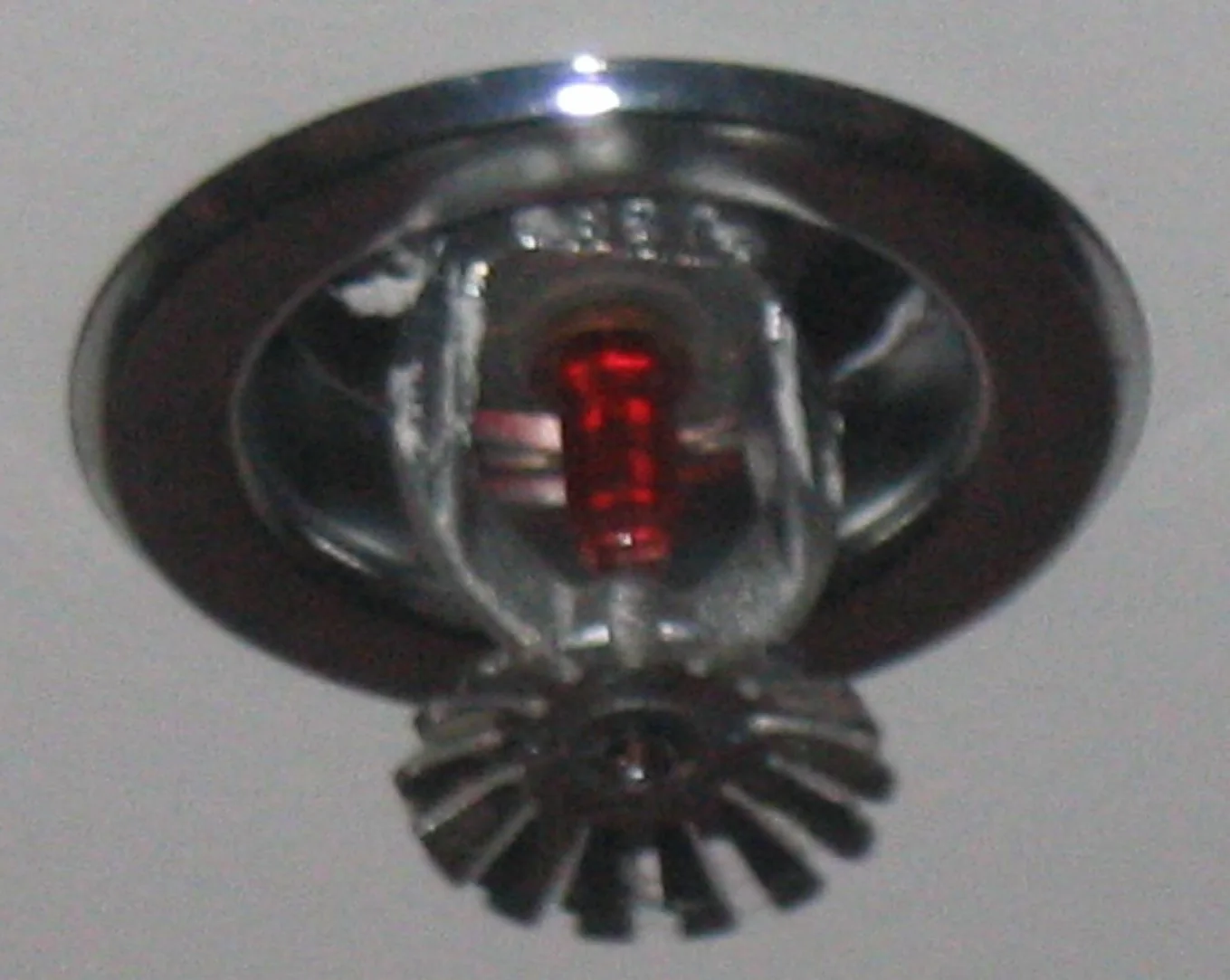
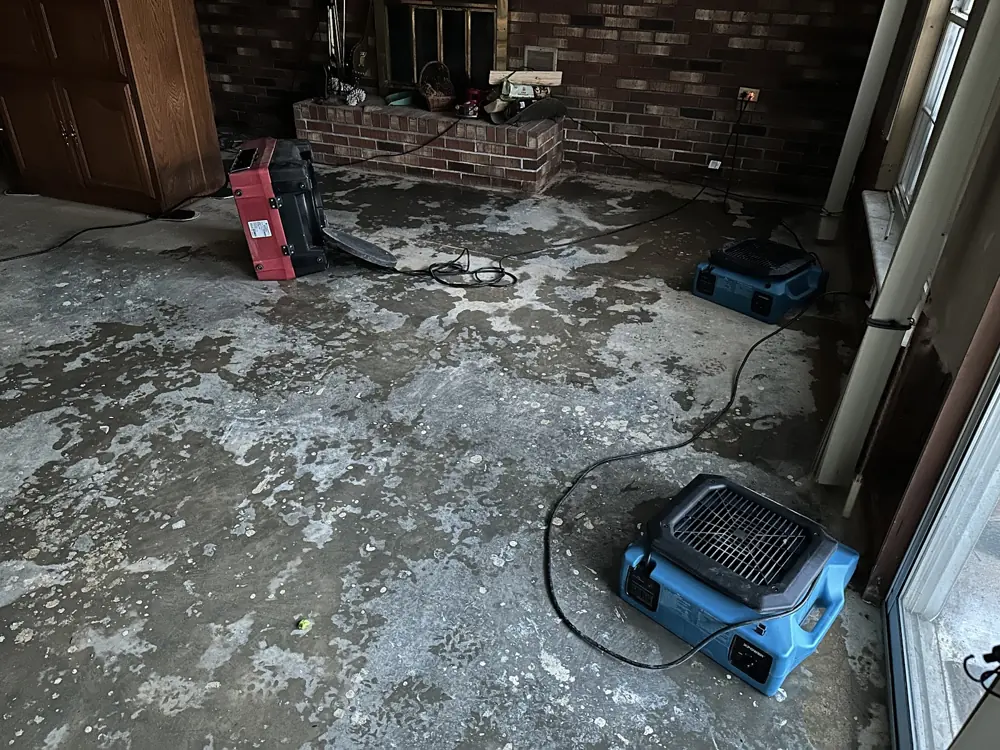
A single sprinkler head releases dozens of gallons a minute, and an accidental discharge can flood a Boston condo or office before the system is shut down. Crews respond fast to extract the water and dry the structure before it spreads between floors.

Once the system is shut down, truck-mounted and portable extractors pull the standing water fast, since sprinkler volume spreads across floors within minutes.
The crew maps how far water traveled through units and floors, containing affected areas and checking the ceilings and cavities below the discharge point.
Wet drywall, insulation, and ceiling cavities are opened where needed, and air movers and dehumidifiers dry the structure to a verified moisture target.
Unsalvageable materials are removed, surfaces are treated, and each affected space is restored once dry, with the loss documented for building and unit carriers.

While help is on the way, these first steps, done only where it is safe, limit the damage and protect the insurance claim.
Shut the supply off at the source, or close the home's main valve if the source is not obvious. Stopping the flow limits the damage more than anything else.
Switch off electricity to the affected area, but only if the breaker can be reached without standing in or touching the water.
Get a crew dispatched right away. The sooner extraction and drying begin, the more flooring, drywall, and belongings can be saved.
Take photos and a short video of the water and the affected rooms before anything is moved, so the insurance claim starts strong.
Fire sprinkler discharge cleanup in Boston generally runs $2,500 to $9,000 for a single unit or office, and more when water spreads across multiple floors of a building. The main drivers are how long the head ran, how many spaces the water reached, and how much drywall, insulation, and flooring must be dried or replaced. Sudden discharge is typically a covered loss, and the crew documents readings and photos for each affected carrier.
Crews reach Boston and the surrounding metro fast, from Dorchester and East Boston to Cambridge, Somerville, Chelsea, Quincy, Brookline, and Newton. See the full list on the areas served across Boston page.
See all areas servedEvery loss is photographed, measured, and logged from the first visit, so the paperwork holds up with your insurance carrier.
Technicians follow recognized IICRC drying standards and prove the work with daily moisture readings, not guesswork.
Emergency dispatch any hour of the day or night, with a real crew on the way, not a callback in the morning.
A real crew dispatched any hour, not a callback in the morning.
Trained technicians following recognized IICRC drying standards.
Truck-mounted, portable, and submersible for any size loss.
The loss is documented and billed to the carrier directly.
A head can open from a frozen and burst line, physical damage during work nearby, corrosion in an older system, or a defect. In Boston, freezing in unheated stairwells and parking levels is a common winter cause. Whatever the trigger, the system releases water until the control valve is shut.
It is usually clean water from the supply, but water that sat in older black-iron pipe can come out dark and full of sediment and rust. The crew treats it based on what it finds, extracting and drying clean water and sanitizing where the standing pipe water was dirty.
Very fast. A single head releases dozens of gallons a minute, and in a multi-story building that water follows chases, stairwells, and shafts down within minutes. Rapid extraction is what keeps a discharge on one floor from becoming a loss across several units below.
Both the building's master policy and individual unit policies are often involved. The crew documents moisture readings and photos for each affected space so the claims can be sorted out accurately between the building and the unit owners without guesswork.
Boston crews are on call 24 hours a day, local and fast, and can be on the way within the hour.
Call (508) 593-9358