Trusted by 150+ Homeowners
Thermal Imaging Leak Detection in Ashland, MA
- Over 153 5-Star Reviews
- Free Estimates and Quotes
- 100% Satisfaction Guaranteed
- Child, Family & Pet Safe Steps
- 24-Hour Emergency Service
- Fully Licensed & Insured

Thermal Imaging Leak Detection in Ashland, MA
There’s a reason Ashland, MA has some of the wettest springs in the area. Rainfall can be heavy and unpredictable, and that moisture doesn’t always stay outside. You might not see the damage yet, but it’s already there. That’s where thermal imaging comes in. It’s not just a tool, it’s a lifeline for your home. You don’t have to wait for the water to make a mess. You can catch it before it starts. And that’s what we do. We’re here to help you protect your property. It’s not just about fixing problems, it’s about stopping them before they happen. You don’t have to guess what’s going on behind the walls. Thermal imaging gives you the answers you need. And it’s faster, more accurate, and less invasive than traditional methods. You’ll see the real picture, not just a guess.
Our team has more than 165 five-star reviews from homeowners in Ashland, MA and the surrounding area. Why do they trust us for thermal imaging leak detection? Because we don’t just find the leak, we fix it the right way. You don’t want to waste time or money on guesswork. You want a clear, precise plan. That’s why we use the latest thermal imaging technology. It’s not magic, but it’s pretty close to it. We look for temperature changes that show where water is hiding. You can’t see it, but we can. And we do it fast. Our crews are trained to handle this kind of work with care and expertise. You get the results you need, and you don’t have to worry about the mess. It’s about keeping your home safe and your family comfortable.
- Thermal imaging finds leaks you can’t see It shows where water is hiding behind walls or under floors. That means no more guesswork or unnecessary demolition.
- It saves time and money By catching leaks early, you avoid bigger issues that cost more to fix. It’s a smart investment in your home.
- It’s less invasive No need to tear up your house to find a problem. Thermal imaging is quick, clean, and efficient.
How This Service Actually Works
Thermal imaging leak detection isn’t a one-size-fits-all process. It’s about knowing the right tools, the right techniques, and the right timing. You don’t want to rush into a job that’s not ready. That’s why we take the time to do it right. A bad process can miss the leak or cause more damage. That’s not what we do. We start with a thorough assessment. We look at the whole system, not just the symptoms. That’s how we find the real problem. And once we find it, we act fast. You don’t want to wait when water is already moving through your walls. That’s why we bring the right equipment and the right people. You get the best chance to stop the damage before it gets worse. And that’s what matters most.
Step 1: Initial Inspection
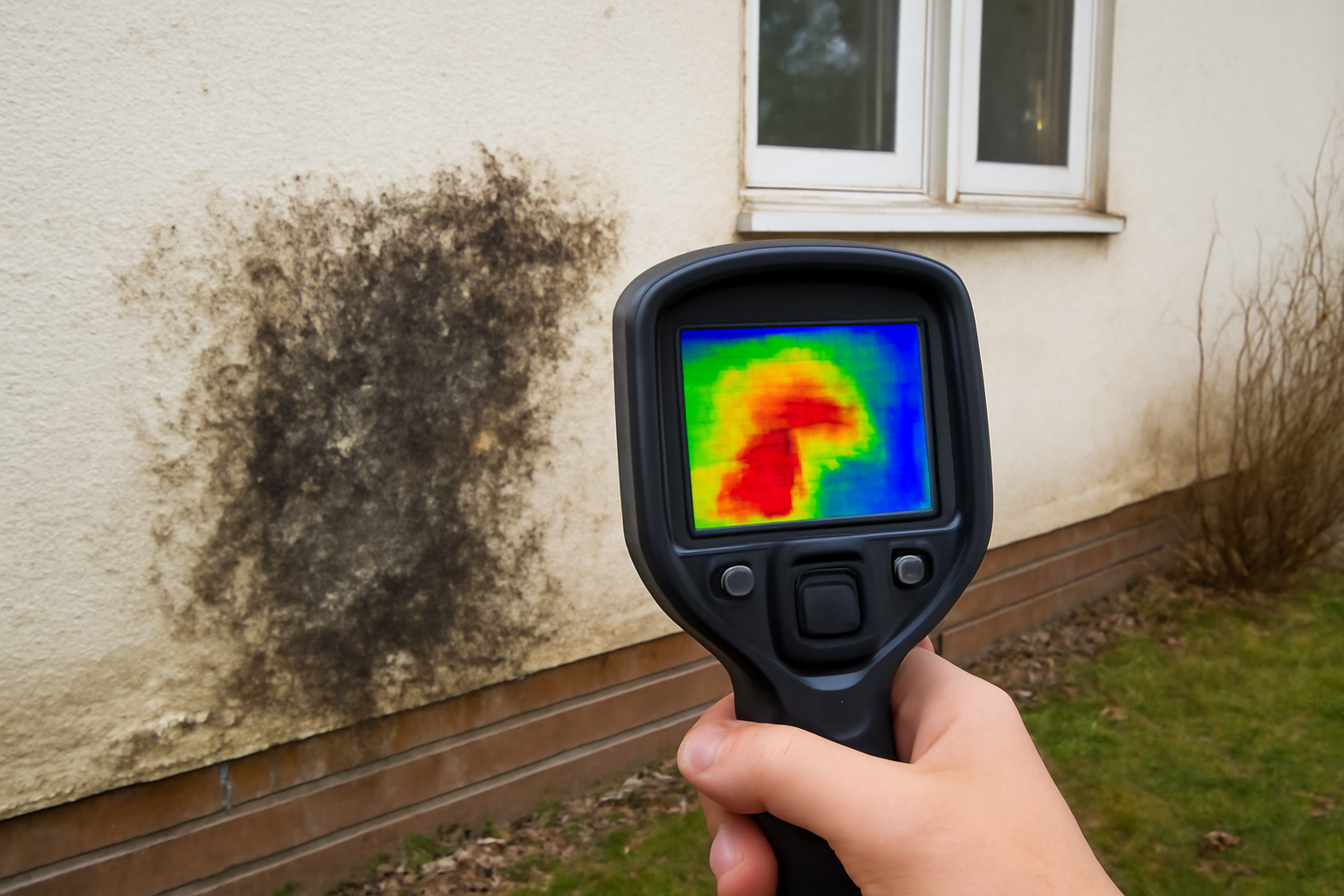
Our technicians start with a visual inspection of the area. They look for obvious signs of moisture, like water stains or warped wood. But that’s just the beginning. You can’t always see the damage. That’s where thermal imaging comes in. It shows temperature differences that show hidden leaks. You don’t have to guess what’s going on. We use handheld thermal cameras to scan walls, floors, and ceilings. It’s quick, efficient, and highly accurate. You’ll see the results in real time. And that’s how we find the problem before it becomes a disaster.
Step 2: Thermal Imaging Scan
We use high-resolution thermal imaging cameras to scan the entire affected area. These tools detect even the smallest temperature changes that signal moisture. You might not notice anything, but the camera will. It’s like having a second set of eyes. We cover every inch of the space, looking for hot and cold spots. That’s where the leak is. We don’t just look for moisture, we look for the source. That’s how we make sure we fix it the right way. It’s not just about finding the leak, it’s about understanding how it got there.
Step 3: Confirmation and Analysis
Once we have the thermal images, our team analyzes the data. They compare the readings to normal temperature patterns. That helps us pinpoint the exact location of the leak. You don’t have to take our word for it. We show you the images and explain what we see. It’s not just about finding a problem, it’s about helping you understand it. You’ll see the evidence, and you’ll know exactly what needs to be done. That’s how we make sure you get the right solution, not just a quick fix.
Step 4: Repair Plan and Execution
After identifying the leak, we create a repair plan. It’s clear, detailed, and focused on your home. We explain the steps we’ll take, the tools we’ll use, and the time it will take. You don’t have to worry about surprises. We keep you in the loop every step of the way. Once the plan is approved, we get to work. We use the right equipment to fix the leak without causing more damage. You’ll see the results quickly. And that’s how we make sure your home is safe and dry again.
Step 5: Final Inspection and Reporting
After the repair, we do a final inspection. We scan the area again to make sure the leak is gone. It’s not just about fixing the problem, it’s about making sure it stays fixed. We also provide a detailed report. It includes the thermal images, the location of the leak, and the steps we took. You’ll have a clear record of what happened and how we fixed it. That’s how we make sure you’re protected. You don’t have to worry about hidden issues or future problems. We do the work right the first time.
Don’t wait for the water to make a mess. You can act before it gets worse. Thermal imaging gives you the tools to find leaks early. And that means less damage, less stress, and more peace of mind. You don’t have to guess what’s going on. You can see the real picture. And that’s what we’re here for. You’ll get the help you need, the answers you want, and the results you deserve. It’s time to take action.
Warning Signs You Need Thermal Imaging Leak Detection
Water damage doesn’t always come with a loud alarm. It creeps in quietly, and by the time you notice it, it’s already too late. That’s why it’s important to watch for the signs. If you see any of these, it’s time to call in the experts. Thermal imaging can find the problem before it becomes a bigger issue. And that’s how you protect your home. You don’t have to wait for the damage to be obvious. You can act early, and that makes all the difference.
Musty Odors That Won’t Go Away
Smells like dampness or mildew aren’t just unpleasant, they’re a sign of hidden moisture. You might have a leak somewhere you can’t see. It’s not just about the smell, it’s about what’s causing it. Thermal imaging can scan the area and find the source. You don’t have to live with the smell. You can fix the problem before it spreads. That’s how you keep your home healthy and safe.
Warping or Discoloration on Walls or Ceilings
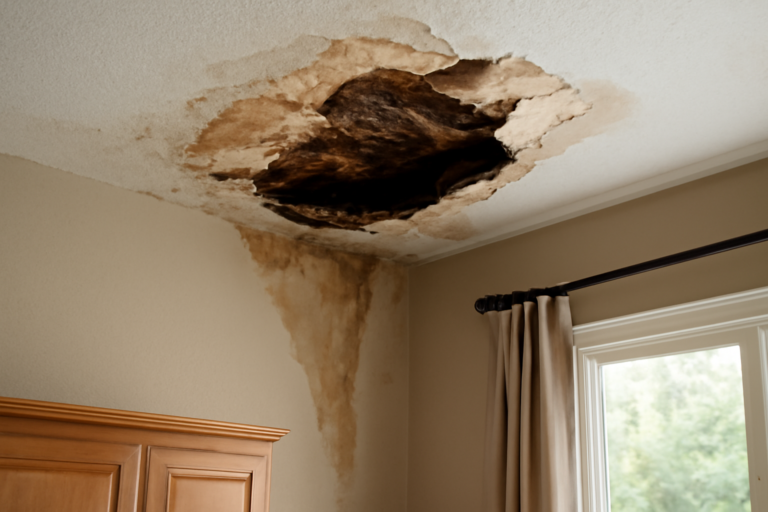
Water can damage surfaces in ways you can’t always see. You might notice paint peeling or wood warping. That’s a sign of moisture trapped inside. Thermal imaging helps find the hidden moisture before it causes more damage. You don’t have to wait for the damage to be visible. You can catch it early. And that’s how you save money and avoid bigger problems.
Unexplained Increases in Water Bills
A sudden rise in your water bill can mean a hidden leak. You might not see it, but it’s costing you money. Thermal imaging can find the problem without tearing up your walls. You don’t have to guess what’s going on. You can see the real issue. And that’s how you save money and protect your home.
Water Stains on Floors or Ceilings
Stains are a clear sign of water damage. But they don’t always tell the whole story. The leak might be behind the wall or under the floor. Thermal imaging can scan the area and find the source. You don’t have to wait for the damage to get worse. You can fix it before it spreads. That’s how you keep your home safe and your wallet protected.
Unusual Sounds in Walls or Pipes
Water moving through pipes can make sounds you might not notice. But if you hear dripping or running water when no one is using the faucet, it’s a sign of a leak. Thermal imaging can find the source without tearing up your walls. You don’t have to guess what’s going on. You can see the real issue. And that’s how you save time and money.
High Humidity or Condensation
Unexpected humidity or condensation can mean hidden moisture. You might not see the leak, but it’s there. Thermal imaging can scan the area and find the source. You don’t have to live with the discomfort. You can fix the problem before it causes more damage. That’s how you protect your home and your comfort.
Thermal Imaging Leak Detection vs. DIY: When To Call a Professional
| Situation | DIY? | Call a Pro? | Why |
|---|---|---|---|
| Small water stain on a wall | Yes | No | It’s a minor issue that you can handle with basic cleaning and drying. |
| Musty smell in a room | No | Yes | It could mean hidden moisture or a leak that needs professional attention. |
| Unexplained water bill increase | No | Yes | Thermal imaging can find the source before it causes more damage. |
| Warping wood in a floor | No | Yes | It’s a sign of moisture that needs to be addressed quickly. |
| Unusual sounds in pipes | No | Yes | It could mean a hidden leak that needs thermal imaging to locate. |
| Condensation on windows or walls | Yes | No | It’s a common issue that can be managed with ventilation and drying. |
Thermal imaging is a powerful tool, but it’s not for every situation. Some issues can be handled with basic steps. Others need professional help. The key is knowing when to act. You don’t have to do everything yourself. You can get the help you need when you need it. And that’s how you protect your home and your family.
Thermal Imaging Leak Detection Cost In Ashland, MA
Thermal imaging leak detection isn’t a one-size-fits-all service. The cost depends on the size of the area, the complexity of the leak, and how quickly you act. You don’t want to wait until the problem gets worse. It’s better to catch it early. And that’s why it’s important to understand the typical price range. You can get an idea of what to expect, but keep in mind that every situation is unique. That’s why we offer free estimates. You’ll get a clear picture of what’s needed and what it will cost. And that’s how you make the best decision for your home.
| Service | Typical Price Range | What Affects Cost |
|---|---|---|
| Thermal Imaging Scan | $300 – $1,000 | Size of the area, complexity of the scan, and equipment used. |
| Leak Detection and Repair | $500 – $2,500 | Type of leak, location, and materials needed for repairs. |
| Follow-Up Scan and Inspection | $200 – $600 | Time and effort required for post-repair checks. |
| Emergency Response | $700 – $3,000 | Urgency of the situation and time of day. |
| Full Water Damage Restoration | $1,000 – $5,000+ | Extent of the damage and more work needed. |
| Insurance Claim Help | $100 – $400 | Time and effort required to document and submit claims. |
Exact pricing depends on the details of your situation. That’s why we always do a free assessment. You’ll get the information you need to make an informed decision. And that’s how you protect your home and your budget. It’s not just about the cost, it’s about the value you get. You get the right help, the right tools, and the right results.
Service Areas Near Ashland, MA
Acton, Bedford, Burlington, Cambridge, Canton, Concord, Dedham, Framingham, Gloucester, Lexington, Lincoln, Littleton, Lowell, Marlborough, Medford, Methuen, Milford, Newton, Norwood, Somerville
Common Questions About Thermal Imaging Leak Detection
How much does thermal imaging leak detection cost in Ashland, MA?
The cost can vary based on the size of the area and the complexity of the job. You can expect to pay between $300 and $1,000 for a basic scan. More complex situations might cost more. But it’s worth it to catch the problem early. You don’t have to spend a lot to protect your home. And that’s how you save money in the long run.
How long does thermal imaging leak detection take?
A basic scan can take 1 to 3 hours. More complex jobs might take longer. But you don’t have to wait for the damage to get worse. You can act quickly. And that’s how you protect your home. We work fast, but we never rush. It’s about doing the job right the first time.
Is thermal imaging safe for my home?
Yes. Thermal imaging is non-invasive and safe. It doesn’t damage your walls or floors. You don’t have to worry about extra work. It’s a clean, efficient way to find hidden leaks. You get the results you need without the mess. And that’s how we make sure your home stays safe and dry.
What equipment do you use for thermal imaging?
We use high-resolution thermal imaging cameras. These tools detect temperature changes that show where moisture is hiding. It’s not just about finding the leak, it’s about understanding the full picture. You get the most accurate results possible. And that’s how we make sure you get the best solution.
Can I do thermal imaging leak detection myself?
It’s possible, but it’s not always the best idea. Thermal imaging needs training and experience. You might miss the leak or cause more damage. That’s why it’s best to leave it to the professionals. We have the right tools and the right expertise. You get the best results, and you don’t have to worry about the details.
Check Our Other Relevant Services

Alexander Mitchell is a licensed Damage Restoration Expert with over 20 years of experience specializing in property recovery and environmental safety. As a veteran in the restoration industry, Alexander has spent two decades mastering the complexities of structural mitigation. His extensive field knowledge and commitment to technical excellence ensure that every project is handled with the highest level of professional care, making him a trusted authority for homeowners in crisis.
𝗖𝗲𝗿𝘁𝗶𝗳𝗶𝗰𝗮𝘁𝗶𝗼𝗻𝘀: Alexander is highly credentialed with IICRC certifications in Water Damage Restoration (WRT), Mold Remediation (AMRT), Applied Structural Drying (ASD), Odor Control, and Fire and Smoke Restoration.
𝗙𝗮𝘃𝗼𝗿𝗶𝘁𝗲 𝗣𝗮𝘀𝘁𝗶𝗺𝗲: An outdoor enthusiast, Alexander enjoys mountain biking, coastal fishing, and volunteering at local community garden projects.
𝗕𝗲𝘀𝘁 𝗣𝗮𝗿𝘁 𝗼𝗳 𝘁𝗵𝗲 𝗝𝗼𝗯: Alexander finds the most reward in being a source of stability for families, taking pride in the moment a property is fully restored and safe to inhabit again.