Trusted by 150+ Homeowners
HVAC Leak Water Removal in Cranston, RI
- Over 153 5-Star Reviews
- Free Estimates and Quotes
- 100% Satisfaction Guaranteed
- Child, Family & Pet Safe Steps
- 24-Hour Emergency Service
- Fully Licensed & Insured

Dealing With HVAC Leak Water Removal in Cranston, RI
Our team has handled HVAC leak water removal in Cranston, RI for over 15 years. We’ve seen the damage from hidden leaks in older homes and the sudden bursts in newer systems. You don’t have to face this alone. We’ve got the tools and the know-how to get your home back to normal. Strong equipment. Fast response. Reliable results. That’s what we bring to every job.
Homeowners in your neighborhood trust us for HVAC leak water removal because we get it done right. We’ve got 165+ five-star reviews from people who needed help fast. We don’t just remove water. We stop it from coming back. We keep your home safe and your family comfortable. That’s what we do every day.
- Quick response time means less damage and faster recovery. Expert equipment ensures every drop is gone. Local knowledge helps us handle the unique challenges of Cranston, RI.
How This Service Actually Works
Getting HVAC leak water removal right starts with a clear plan. We don’t rush. We don’t cut corners. We follow a process that works. When you call, we send a technician to assess the damage. We use tools like moisture meters and thermal imaging to find every trace of water. That’s how we stop it from spreading. That’s how we fix it for good.
Assessment and Planning
We start by checking the source of the leak. We look at the HVAC unit and the surrounding area. We use moisture meters to find hidden water. We make a plan that fits your home. This step takes 30-45 minutes. It’s important. It sets the stage for everything else. Accurate assessment saves time. Clear planning avoids mistakes. Local expertise means we know what to look for.
Water Removal and Drying
We use powerful extractors to pull out standing water. Then we set up air movers and dehumidifiers. We monitor the process every step of the way. This part can take 24-48 hours. It depends on how much water there is. Fast extraction stops damage. Proper drying prevents mold. Local conditions affect how long it takes.
Damage Repair and Restoration
We fix the parts that got wet. We replace damaged drywall and insulation. We clean and sanitize the area. We make sure everything is safe and sound. This step can take 3-5 days. It’s important to do it right. Thorough repair means no lingering issues. Professional restoration brings your home back. Local attention ensures no detail is missed.
Final Inspection and Cleanup
We check everything one more time. We make sure the area is dry and safe. We clean up the tools and materials. We leave your home in better shape than before. This step takes 1-2 hours. It’s the last part of the process. Complete inspection gives peace. Full cleanup means no mess. Local care shows we care about your home.
Don’t wait for the problem to get worse. Call us today. We’ll get your HVAC system back in working order. We’ll protect your home and your family. Fast response saves money. Professional help saves time. Local support makes all the difference.

Warning Signs You Need HVAC Leak Water Removal
Ignoring the early signs can lead to bigger problems. HVAC leaks don’t always show up obvious. You need to watch for the subtle clues. Catching them early means less damage and lower costs. That’s why we’re here to help. Early detection saves money. Quick action prevents mold. Local awareness means we know what to look for.
Musty Odors That Won’t Go Away
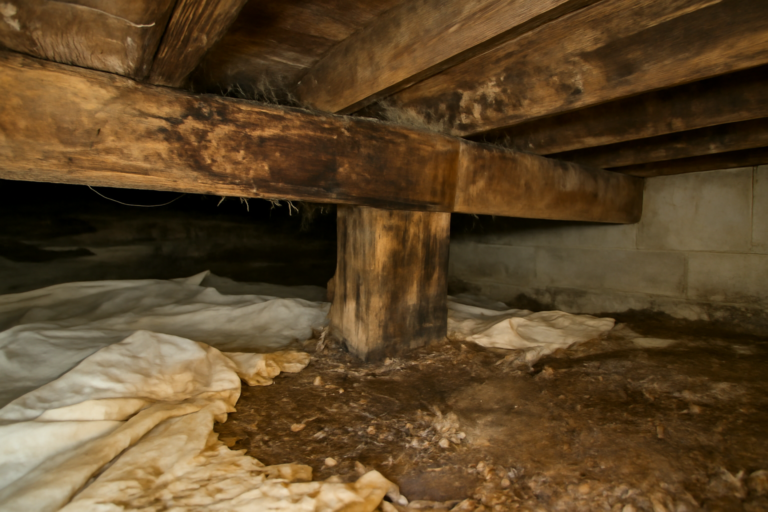
A damp smell in your home is a red flag. It means water is trapped somewhere. It can be in the walls or under the floor. Don’t ignore it. It can lead to mold and health issues. Strong odors mean hidden water. Unpleasant smells are a warning. Local conditions make this smell more common in Cranston, RI.
Wet Spots on the Floor
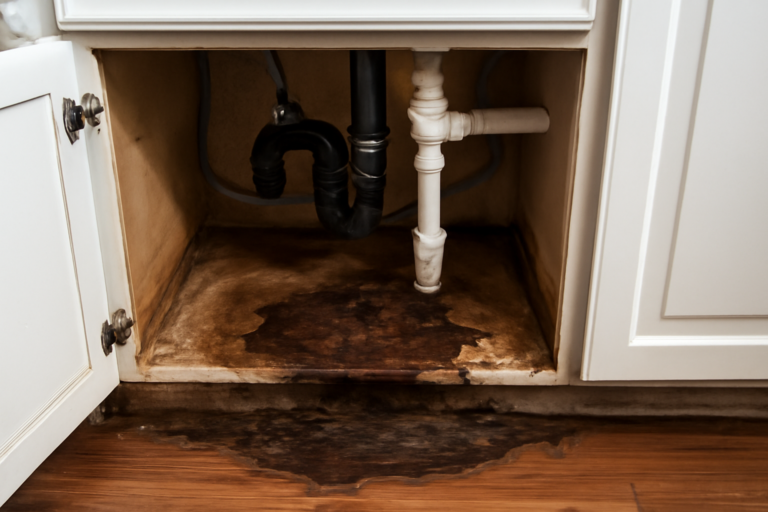
You see water pooling near your HVAC unit. It’s not from rain. It’s from a leak. This can be dangerous. It can cause electrical issues and structural damage. Don’t wait. Visible water is a sign. Wet floors mean more damage. Local risks make this a common issue in older homes.
High Humidity Levels
Your home feels damp even when it’s not raining. The air feels sticky. This can be from a hidden leak. It can also cause mold and discomfort. This is a sign you need help. High humidity is a warning. Uncomfortable air is a problem. Local climate makes this more common in the summer.
Strange Sounds From the HVAC Unit
Your system makes noises it shouldn’t. It might hum or vibrate. It could be from water inside the unit. This can lead to bigger issues. Don’t ignore it. Unusual sounds mean trouble. Strange noises are a sign. Local systems are more prone to this issue.
Higher Energy Bills
Your energy bills are going up. It’s not because of usage. It’s because your system is working harder. This can be from a leak. It’s a sign something is wrong. Higher bills mean more work. Increased costs are a red flag. Local factors make this a common problem in homes with older HVAC units.
HVAC Leak Water Removal vs. DIY: When To Call a Professional
| Situation | DIY? | Call a Pro? | Why |
|---|---|---|---|
| Small puddle under the unit | Yes | No | Minor leaks can be managed but need proper drying. |
| Water on the floor from a broken pipe | No | Yes | Large leaks need professional extraction to prevent mold. |
| Musty smell in the house | No | Yes | Hidden water can lead to mold. Professional inspection is needed. |
| Wet insulation inside the unit | No | Yes | Wet insulation is hard to dry. It can cause long-term damage. |
| High humidity levels in the home | No | Yes | Humidity issues often mean hidden water. A professional can find it. |
| System makes unusual noises | No | Yes | Unusual sounds can mean water inside the unit. This needs attention. |
Some issues are easy to handle. Others need a professional. If you’re unsure, call us. We can help you decide. Right solution saves time. Proper help prevents bigger problems. Local support makes all the difference.
HVAC Leak Water Removal Cost In Cranston, RI
Costs for HVAC leak water removal vary. It depends on how much water there is and how long it’s been there. You’ll see a range of prices based on the job. These are estimates. They aren’t guaranteed. Accurate pricing starts with an inspection. Local conditions affect the final cost. Professional assessment gives you the real picture.
| Service | Typical Price Range | What Affects Cost |
|---|---|---|
| Water Extraction | $500 – $2,500 | Amount of water, location, and drying time. |
| Moisture Testing | $150 – $500 | Type of equipment and number of checks needed. |
| Drying and Dehumidification | $750 – $3,000 | Size of the area and how long it takes to dry. |
| Damage Repair | $300 – $1,500 | Extent of damage and materials needed. |
| Final Inspection | $200 – $600 | Complexity of the job and time spent. |
| Emergency Response | $1,000 – $4,000 | Urgency and availability of staff. |
Exact pricing depends on an on-site assessment. We offer free estimates so you know what to expect. Transparent pricing means no surprises. Local details affect the cost. Professional help ensures you get the right service.
Service Areas Near Cranston, RI
Woonsocket, East Providence, Pawtucket, North Smithfield, East Greenwich, West Greenwich, West Warwick, Coventry, Smithfield, Scituate, Tiverton, Little Compton, Newport, Bristol, North Kingstown, Middletown, Portsmouth, Warwick, Cranston, and Providence.
Common Questions About HVAC Leak Water Removal
How much does HVAC leak water removal cost?
Costs vary depending on the size of the leak and how long it’s been there. You can expect to pay between $500 and $4,000. The price reflects the work needed to fix the problem. Accurate estimate starts with an inspection. Local factors affect the final cost. Professional help ensures you get the right service.
How long does the process take?
The process can take 24-72 hours. It depends on how much water there is and how fast we can dry it. We work quickly to reduce damage. Fast response saves time. Proper drying prevents mold. Local conditions affect the timeline.
Can HVAC leaks cause health problems?
Yes. Water trapped in your home can lead to mold growth. Mold can cause breathing issues and other health problems. It’s important to act fast. Health risks mean quick action. Professional help stops mold. Local awareness helps prevent issues.
What tools do you use for HVAC leak water removal?
We use high-powered extractors, moisture meters, and air movers. We also use thermal imaging to find hidden water. These tools help us do the job right. Advanced equipment ensures thorough removal. Local knowledge guides the process. Professional tools make the job safer.
How can I prevent HVAC leaks?
Maintain your system regularly. Check for leaks in the pipes and unit. Keep the area around the unit clean. We offer maintenance services to keep your system running smoothly. Regular care prevents leaks. Local support keeps your system working. Professional maintenance saves money in the long run.
Check Our Other Relevant Services
Serving Cranston, RI And Nearby Areas