Trusted by 150+ Homeowners
Flood Water Extraction in Danvers, MA
- Over 153 5-Star Reviews
- Free Estimates and Quotes
- 100% Satisfaction Guaranteed
- Child, Family & Pet Safe Steps
- 24-Hour Emergency Service
- Fully Licensed & Insured

When Water Invades Your Home in Danvers, MA
You open the front door and there it is, water pooling on the floor. It’s not just a small leak. It’s a flood. You hear the drip of water from the ceiling. You smell the dampness that clings to everything. This isn’t a minor issue. It’s a crisis. You need to act now. The right team can stop the damage. Don’t wait. It’s better to act fast. You’re not alone.
Homeowners in Danvers, MA know our team handles Flood Water Extraction like no one else. We’ve earned 165+ five-star reviews. We focus on the details that matter. We don’t cut corners. We don’t rush. We do what it takes to get your home back. You deserve that. You need that. And we deliver it every time.
- Fast response means less damage. Proper equipment gets the job done right. Experienced technicians know what to do.
- Moisture readings guide every step. Containment procedures keep things under control. Scientific drying ensures lasting results.
- 24/7 availability means help when you need it. Local knowledge helps us respond faster. Clear communication keeps you in the loop.
How Flood Water Extraction Actually Works
Water doesn’t just sit. It spreads. It seeps into walls, floors, and ceilings. That’s why the process has to be precise. Our team uses industrial water extractors, air movers, and dehumidifiers. We measure moisture levels with hygrometers. We don’t guess. We know. That’s why your home can dry faster and safer. Cutting corners here can leave hidden damage. Don’t risk it.
Assessment and Planning
Our team arrives and assesses the damage. We check for standing water, soaked materials, and structural issues. We map out the area to be treated. We explain the plan. You get a clear picture. We don’t rush. We make sure we understand the full scope. This step is critical. It sets the tone for the entire process.
Water Removal
We start with the big stuff. We use powerful extractors to remove standing water. We do this quickly. The longer water sits, the more damage it does. We work in sections. We keep the area safe. We ensure nothing gets worse. This is where time matters most. Every minute counts.
Moisture Monitoring
We check moisture levels every few hours. We use tools to track progress. We adjust our approach as needed. We don’t stop until the area is dry. We make sure no hidden moisture remains. This step is crucial. It prevents mold and structural damage. It’s why we stay until the job is done.
Drying and Dehumidification
We set up air movers and dehumidifiers. We let them work. We monitor the environment. We adjust settings as needed. We make sure the air is dry. We check walls and floors. We don’t take chances. This is where science meets skill. It’s why your home stays safe and secure.
Final Inspection
We do a final check. We measure moisture levels again. We make sure everything is dry. We inspect for any signs of damage. We explain what’s done. We answer your questions. We want you to feel confident. We want you to know your home is safe. This is the last step. It’s the most important one.
Time is not on your side. Get help now. Don’t wait. We’ll start right away. We’ll handle it all. You can count on us. You don’t have to face this alone.

Warning Signs You Need Flood Water Extraction
You might not notice the problem at first. But small signs can mean big trouble. Catching these early can save you time and money. It can also prevent more serious issues. You don’t want to ignore them. You need to act before it’s too late.
Musty Odors That Won’t Go Away
You smell dampness even after the water is gone. It lingers in the air. It’s not just a fresh smell. It’s a musty, wet odor. This can mean mold is already growing. You can’t just air it out. You need professional help. This is a sign you can’t ignore.
Wet or Warped Floors
You step on the floor and it feels wet. It might look warped or buckled. This is more than just a mess. It’s a structural problem. Water can weaken the subfloor. It can cause long-term damage. This is a sign you need to act fast. You can’t wait.
Water Stains on Ceilings or Walls
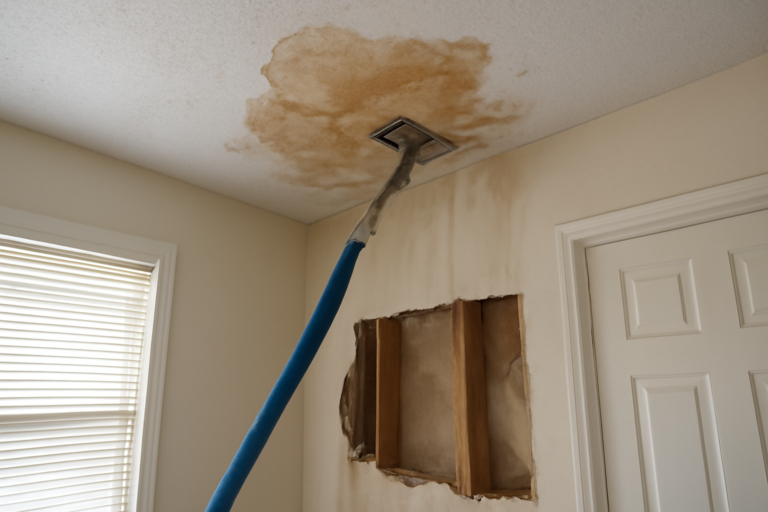
You see dark spots on the ceiling or walls. They might look like watermarks. They can mean water has soaked through. This is a sign of hidden damage. You might not see the full extent. But it’s there. You need to get help. Don’t let it get worse.
Peeling Paint or Bubbling Walls
You notice paint peeling or bubbles on the walls. This is a sign of moisture behind the surface. It can mean water has been trapped for a while. It can lead to mold and structural issues. You need to fix it now. Don’t wait. This is a warning you can’t ignore.
Standing Water in Basements or Crawl Spaces
You find water pooling in the basement or crawl space. You might not see it at first. But it’s there. It can mean a leak or flooding. This is a serious problem. It can lead to mold and damage. You need to get it out. Don’t let it sit.
Unusual Sounds from the Walls
You hear gurgling or dripping sounds inside the walls. It can mean water is trapped. It can mean pipes are leaking. It can mean a serious issue. You need to check. You need to act. This is a sign you can’t ignore.
Flood Water Extraction vs. DIY: When To Call a Professional
| Situation | DIY? | Call a Pro? | Why |
|---|---|---|---|
| Small puddle on the floor | Yes | No | It’s manageable but not a long-term solution. |
| Water under a carpet | No | Yes | It can lead to mold and damage if not properly removed. |
| Water in the basement | No | Yes | It can cause serious structural issues if not handled right. |
| Water from a broken pipe | No | Yes | It can spread quickly and cause more damage. |
| Water in the walls | No | Yes | It can lead to mold and long-term structural problems. |
| Water from a flood | No | Yes | It needs specialized tools and expertise to dry properly. |
Some jobs are better left to the pros. Flood Water Extraction is one of them. You can try to handle it yourself, but it’s not a small job. You need the right tools. You need the right knowledge. You can save time and money by getting help early. You can avoid bigger problems down the road.
Flood Water Extraction Cost In Danvers, MA
You want to know the cost. It depends on the damage. It depends on the size of the area. It depends on the type of water. It’s not the same for every home. You need to get an estimate. You need to understand what you’re paying for. It’s important to know what to expect.
| Service | Typical Price Range | What Affects Cost |
|---|---|---|
| Water removal | $500 – $2,500 | Amount of water, location, and access. |
| Structural drying | $1,000 – $4,000 | Size of area, type of materials, and moisture level. |
| Moisture testing | $200 – $600 | Number of readings and tools used. |
| Containment setup | $300 – $1,000 | Size of area and level of contamination. |
| Final inspection | $100 – $300 | Time and effort to check all areas. |
| More services | $200 – $1,000+ | Extra work like mold remediation or repairs. |
These are estimates. Actual costs vary. You can get a free estimate. You can get the details. You can make an informed decision. It’s better to know before you start. You can save time and money. You can avoid surprises.
Service Areas Near Danvers, MA
North Andover, Salem, Marblehead, Beverly, Malden, Lynn, Salem, Topsfield, Boxford, North Reading, Tewksbury, Westford, Carlisle, Lexington, Bedford, Acton, Chelmsford, Hamilton, Stoneham, Wakefield
Common Questions About Flood Water Extraction
How much does Flood Water Extraction cost?
The cost varies. It depends on the damage. It depends on the size of the area. It depends on the type of water. You need an estimate. You get a free one. You can plan better. You can avoid surprises. You can make an informed decision.
How long does the process take?
It depends on the damage. It depends on the materials. It depends on the water source. You can expect 3-5 days. You can expect longer if the damage is severe. You need to act fast. You need to get help. It’s better to start early.
What are the health risks of water damage?
Mold is a big risk. It can grow in damp areas. It can cause allergies and infections. It can affect your health. You need to act fast. You need to get the water out. You need to dry the area. It’s better to prevent it than to deal with it later.
What equipment is used for water extraction?
We use industrial extractors. We use air movers. We use dehumidifiers. We use moisture meters. These tools help dry the area. They help remove the water. They help prevent mold. You can trust the equipment. You can trust the process.
How can I prevent water damage in the future?
Fix leaks fast. Clean gutters regularly. Check your plumbing. Keep drains clear. Install a sump pump. You can reduce the risk. You can protect your home. You can avoid future damage. It’s better to be proactive than to react.
Check Our Other Relevant Services

Alexander Mitchell is a licensed Damage Restoration Expert with over 20 years of experience specializing in property recovery and environmental safety. As a veteran in the restoration industry, Alexander has spent two decades mastering the complexities of structural mitigation. His extensive field knowledge and commitment to technical excellence ensure that every project is handled with the highest level of professional care, making him a trusted authority for homeowners in crisis.
𝗖𝗲𝗿𝘁𝗶𝗳𝗶𝗰𝗮𝘁𝗶𝗼𝗻𝘀: Alexander is highly credentialed with IICRC certifications in Water Damage Restoration (WRT), Mold Remediation (AMRT), Applied Structural Drying (ASD), Odor Control, and Fire and Smoke Restoration.
𝗙𝗮𝘃𝗼𝗿𝗶𝘁𝗲 𝗣𝗮𝘀𝘁𝗶𝗺𝗲: An outdoor enthusiast, Alexander enjoys mountain biking, coastal fishing, and volunteering at local community garden projects.
𝗕𝗲𝘀𝘁 𝗣𝗮𝗿𝘁 𝗼𝗳 𝘁𝗵𝗲 𝗝𝗼𝗯: Alexander finds the most reward in being a source of stability for families, taking pride in the moment a property is fully restored and safe to inhabit again.