Tree removal from structures in Boston, MA requires skilled experts to safely eliminate hazards and protect properties from damage. Our dedicated team works quickly to restore safety and peace of mind. We have over 100 reviews endorsing our reliable service — call now to experience prompt, professional solutions.
- Certified Arborist Expertise
- Same-Day Response Available
- 24/7 Emergency Service
How We Can Help On Tree Removal From Structures In Boston, MA
Residents and property managers facing trees impacting buildings around Boston can trust our specialized tree removal from structures service. Our experienced crew understands local tree species and construction challenges, delivering safe, efficient removals that preserve your property’s integrity. Whether storm-damaged or overgrown, we tailor solutions for homes and businesses alike.
- We quickly assess and remove trees causing structural risks to protect your home or office.
- You receive fast updates and clear communication throughout the removal process.
- We ensure work areas remain tidy, respecting your property’s appearance and safety.
- Our team holds certified licenses and offers strong workmanship guarantees for peace of mind.
- We guide you through every step with careful documentation to reduce stress during cleanup.
Contact us today to schedule a consultation and restore your property’s safety with expert tree removal.

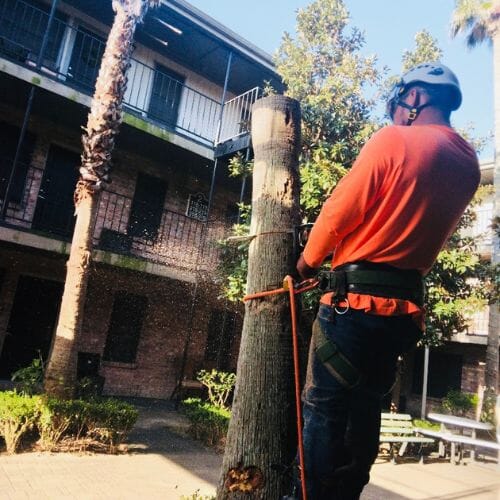
What Causes This Problem
- Severe storms weaken trees, making them prone to fall onto buildings.
- Heavy snowfall overloads branches, increasing the risk of structural impact.
- Improper pruning or tree health issues create unstable limbs near structures.
- Strong winds common in coastal Boston displace trees into homes or roofs.
- Soil erosion near foundations undermines root stability, causing leaning or falling.
Boston’s proximity to the Charles River and Atlantic Ocean brings frequent storms that increase tree damage risks near structures. These severe weather events often cause problems similar to those addressed in Tornado Damage Cleanup. Our team acts promptly after such incidents to safely remove hazardous trees and limit further property damage.
Why Choose Our Team
- We prioritize quick responses and timely updates to keep you informed during tree removal.
- Our professionals maintain clean work zones and treat your property with the utmost respect.
- We are fully licensed and certified, backing every job with comprehensive guarantees.
- More than 100 satisfied customers endorse our proven expertise in tree removal services.
- We provide clear progress reports and documentation to ease your concerns every step.
Service Cost In Boston, MA
The cost for tree removal from structures varies depending on tree size, location complexity, and damage severity, typically ranging between $800 and $3,500 as a general estimate for Boston area jobs.
Service Areas (Within ~30 Miles Of Boston, MA)
Cambridge 02139, Somerville 02144, Quincy 02169, Brookline 02446, Newton 02458, Medford 02155, Waltham 02451, Malden 02148, Arlington 02474, Chelsea 02150, Revere 02151, Everett 02149, Watertown 02472, Belmont 02478, Dedham 02026, Needham 02492, Melrose 02176, Winchester 01890, Lynn 01901, Reading 01867
Our Work Process
- Conduct a thorough site inspection to evaluate tree hazards affecting structures.
- Develop a customized removal plan balancing safety and efficiency.
- Use specialized equipment to carefully detach and remove tree sections.
- Monitor the process closely to prevent additional property damage.
- Perform final cleanup and offer guidance to prevent future tree-related issues.
Customer Review
They removed a large tree leaning on my roof safely and quickly, leaving no mess behind. The team’s professionalism and care really stood out during a stressful time.
— Megan L., Boston, MA
Frequently Asked Questions
How Do Emergency Storm Cleanup Services Impact Tree Removal Safety In Boston?
Emergency storm cleanup services quickly address fallen or hazardous trees, reducing risks to structures from secondary damage. Fast action in Boston’s storm-prone environment helps minimize dangers related to tree removal from buildings, which is why Emergency Storm Cleanup Services are an essential step in protecting your property.
What Safety Precautions Are Taken During Tree Removal From Structures?
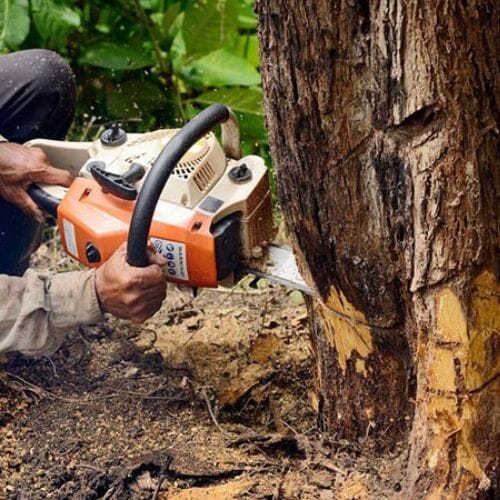
We use certified equipment and follow strict safety protocols to protect workers and property from falling debris or structural damage throughout the removal process.
How Long Does Tree Removal Near Buildings Usually Take?
Most residential tree removals from structures are completed in one or two days, depending on the tree’s size and site conditions.
Will You Handle Permits Required For Tree Removal In Historic Boston Areas?
Yes, our licensed team manages all necessary local permits and ensures compliance with Boston’s historic district regulations if applicable.
Can You Provide Post-Removal Support To Prevent Future Tree Issues?
We offer expert advice and inspections to help maintain tree health and avoid potential hazards near your structures moving forward.

Alexander Mitchell is a licensed Damage Restoration Expert with over 20 years of experience specializing in property recovery and environmental safety. As a veteran in the restoration industry, Alexander has spent two decades mastering the complexities of structural mitigation. His extensive field knowledge and commitment to technical excellence ensure that every project is handled with the highest level of professional care, making him a trusted authority for homeowners in crisis.
𝗖𝗲𝗿𝘁𝗶𝗳𝗶𝗰𝗮𝘁𝗶𝗼𝗻𝘀: Alexander is highly credentialed with IICRC certifications in Water Damage Restoration (WRT), Mold Remediation (AMRT), Applied Structural Drying (ASD), Odor Control, and Fire and Smoke Restoration.
𝗙𝗮𝘃𝗼𝗿𝗶𝘁𝗲 𝗣𝗮𝘀𝘁𝗶𝗺𝗲: An outdoor enthusiast, Alexander enjoys mountain biking, coastal fishing, and volunteering at local community garden projects.
𝗕𝗲𝘀𝘁 𝗣𝗮𝗿𝘁 𝗼𝗳 𝘁𝗵𝗲 𝗝𝗼𝗯: Alexander finds the most reward in being a source of stability for families, taking pride in the moment a property is fully restored and safe to inhabit again.